







Engineering Evolution: The Rise of Bio-Inspired Robotics
Why the future of mechanics lies in mimicking the movement, flexibility, and adaptability of the natural world.
For years, robots were built with wheels and rigid joints—perfect for flat factory floors but useless in the wild. Nature, however, solved the problem of locomotion millions of years ago. Today, a new wave of engineers is looking to biology for the blueprint of the next generation of machines. This field, known as bio-inspired robotics, seeks to replicate the agility of a cheetah, the grip of a gecko, or the flexibility of an octopus. This post explores how "biomimicry" is helping robots conquer difficult terrains, why soft materials are replacing metal, and how these nature-inspired designs are revolutionizing search and rescue missions.
Nature has spent billions of years conducting research and development. Through the process of evolution, biological organisms have optimized their bodies to survive, move, and thrive in every conceivable environment on Earth. Traditional robotics often ignored these lessons, favoring wheels and heavy motors. But wheels fail on stairs, and heavy motors are inefficient. To solve these problems, roboticists are now turning to biomimicry—the design and production of materials, structures, and systems that are modeled on biological entities and processes.
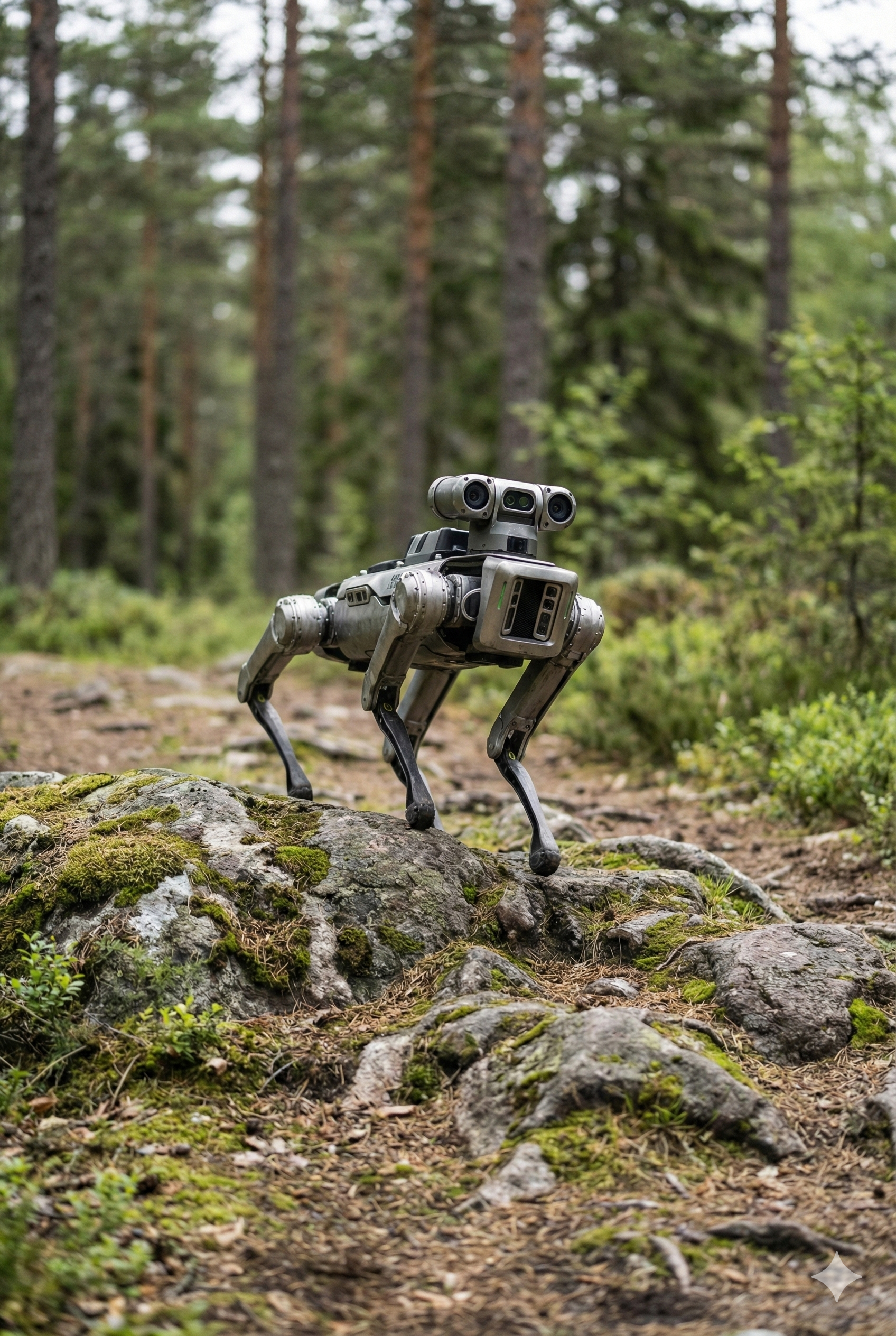
The most famous examples are quadruped robots. Modeled after dogs or cheetahs, these machines use legs rather than wheels. This allows them to step over debris, climb stairs, and maintain balance on icy or uneven surfaces. They are currently being deployed in construction zones to scan progress and in dangerous industrial sites to check for gas leaks, going places where wheeled robots simply cannot go.
But it goes deeper than just legs. We are seeing the rise of Soft Robotics, inspired by invertebrates like octopuses or caterpillars. Traditional robots are made of rigid metal; soft robots are made of silicone and pliable materials. This allows them to squeeze through tight cracks in disaster zones or gently pick up fragile objects, like fruit or human tissue, without crushing them.
Even the way robots "think" about movement is changing. Instead of programming every single joint angle, engineers are using Central Pattern Generators (CPGs)—algorithms that mimic the rhythmic neural signals found in animal spinal cords. This allows a snake robot to slither naturally or a robotic fish to swim efficiently, conserving energy while covering vast distances.
By combining the durability of machines with the agility of nature, bio-inspired robotics is opening doors to exploration on Mars, deep-sea maintenance, and more effective search-and-rescue operations. We aren't just building better machines; we are finally learning to build machines that move as fluently as life itself.

srinidhi
More from srinidhi

Beyond the Assembly Line: The ...
23 Dec 2025Comments
Subscribe to Our Newsletter


Additional Links
Login Register Contact Certificate Validation Become Instructor About Terms and PoliciesPopular Categories
Contact US


Reply to Comment